
About the bath
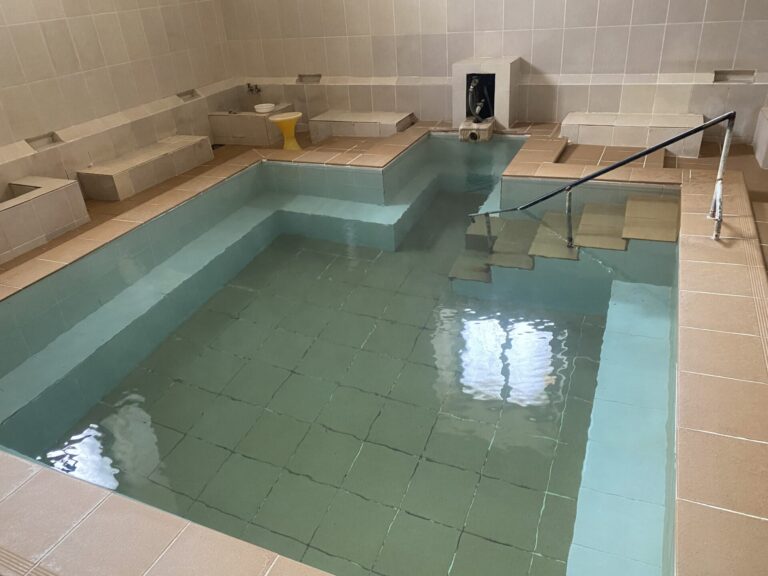
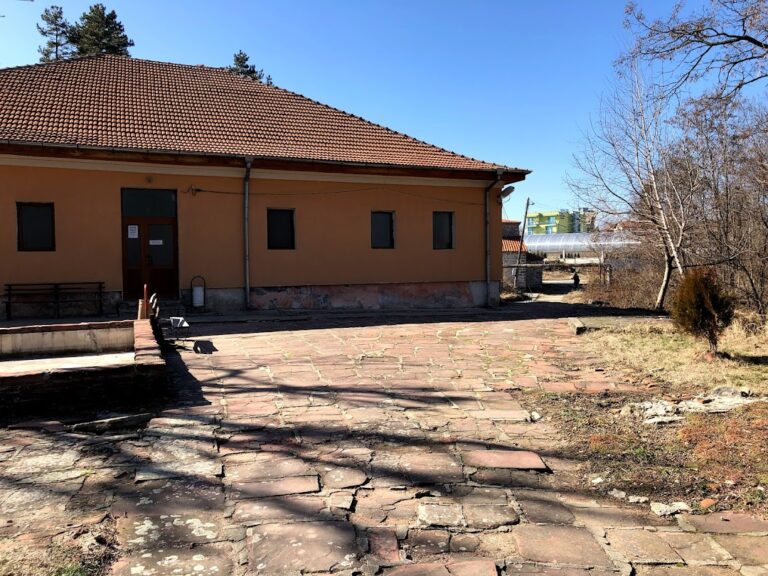
A classic mineral bath with a men's and a women's section – two pools, stone basins (kurni) and showers. There is no bathtub section. The bath is an old building that has been reconstructed and is currently in very good condition. The women's section keeps its original dome with openings for light and ventilation; the men's section was added later. The building stands in a park, right next to the old bath. The Roman bath, as locals call it, is built on Roman-era foundations, but it is a hammam from the Ottoman period. It now works as a museum.
Opening hours
| Thursday – Monday | 06:00–18:00 |
|---|---|
| Tuesday and Wednesday | closed |
ⓘ The table was made automatically from the text of the Bulgarian Association for Thermal Heritage and may contain mistakes; opening hours and prices may also have changed. Call 0879090958 before you go.
Photos 10
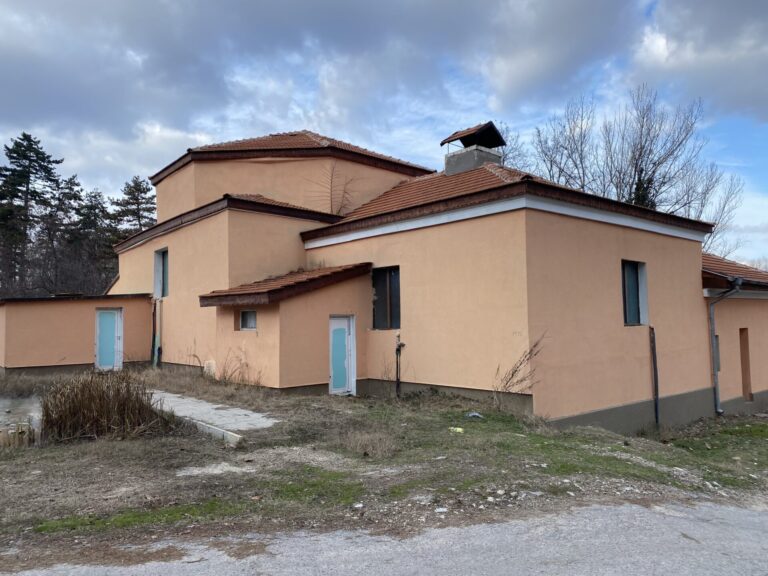
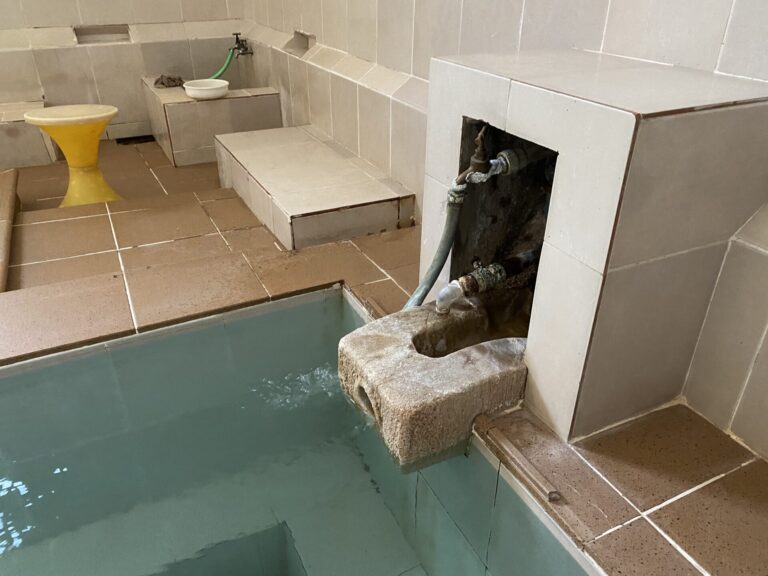
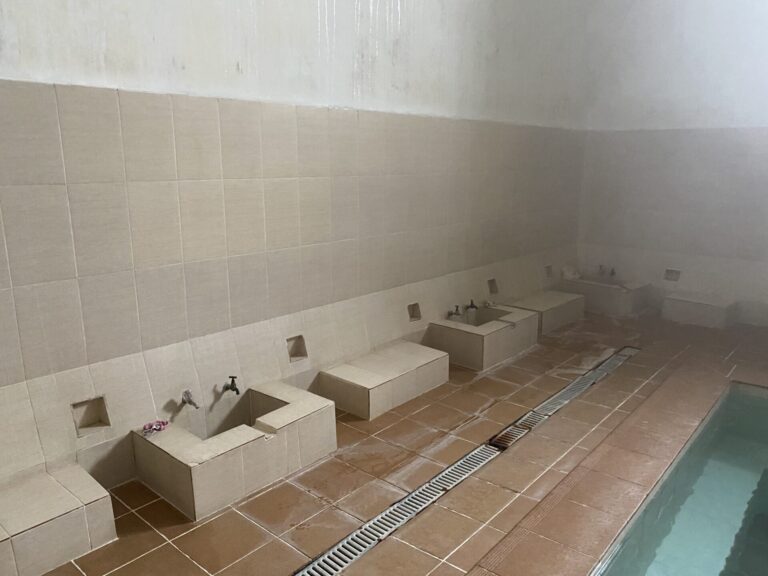
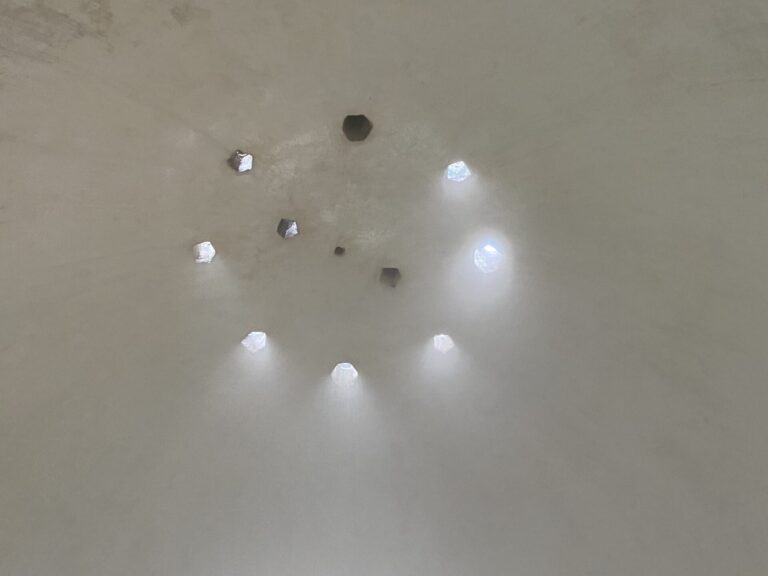
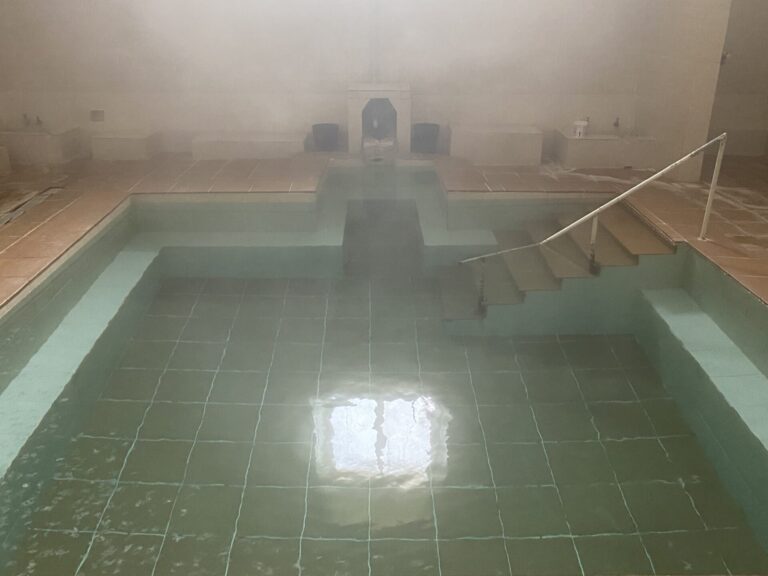
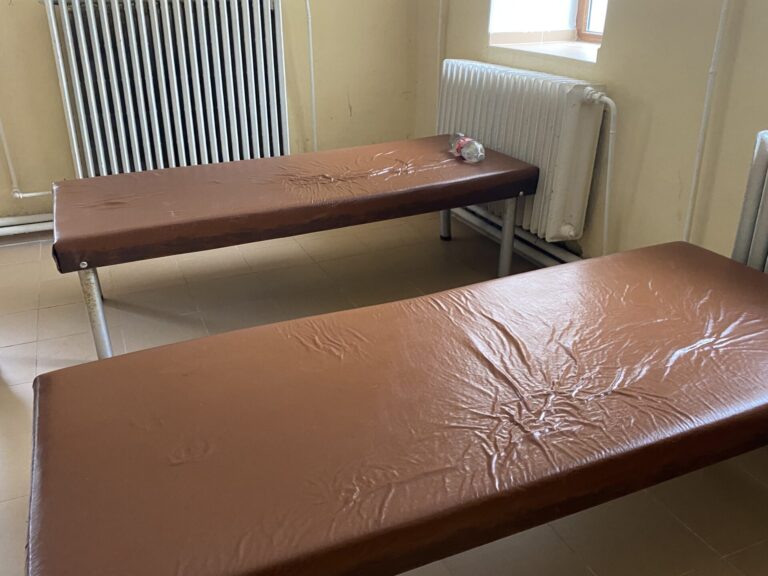
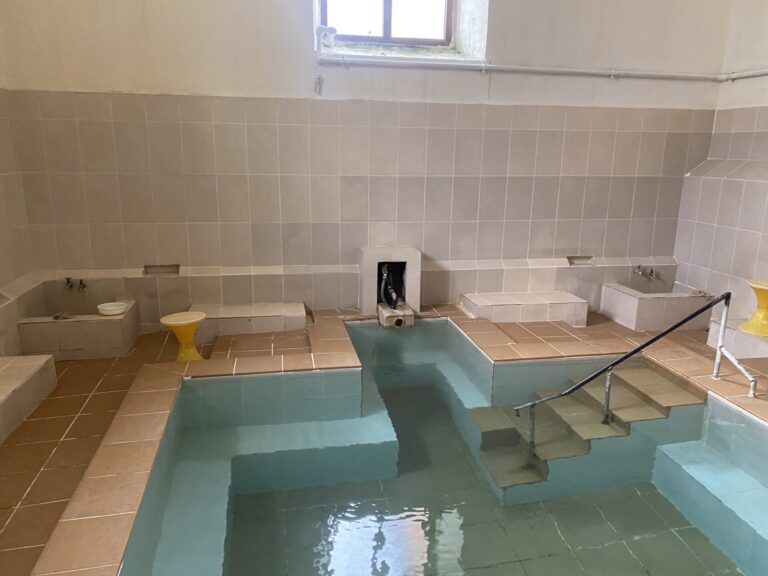
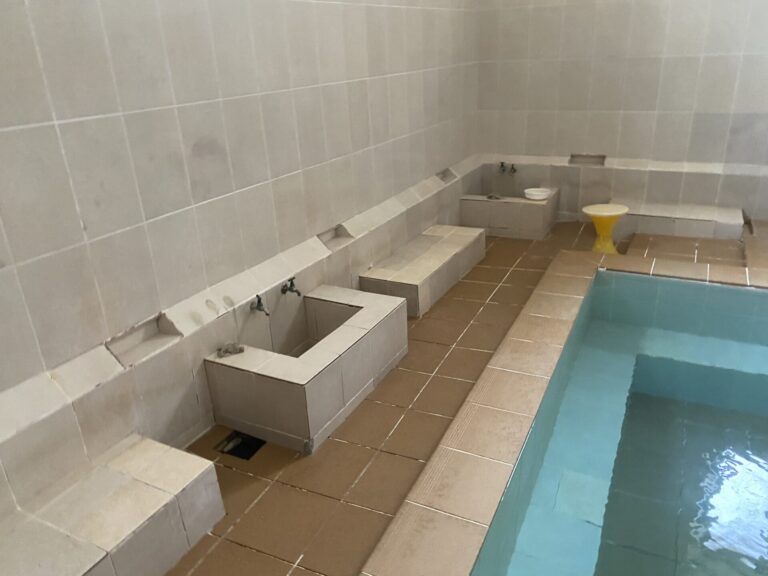
Photos: Bulgarian Association for Thermal Heritage. All rights belong to their authors.
More information
The water and its healing properties
Spring temperature 62 ⁰C. The total mineralisation of the mineral water is 531 mg/l. It is hyperthermal, mineralised, sulphate-sodium, fluoride and silicic water, with no sanitary-chemical or microbiological signs of pollution. Because of its high fluoride content (11.64 mg/l measured), the water is classed as unsuitable for drinking.
The silicon has an astringent and antiseptic effect and is used to treat skin conditions.
Used for drinking cures and balneoprophylaxis (after appropriate tempering to 35–37 °C), it has a beneficial effect on the following conditions:
- gastrointestinal conditions (chronic gastritis, gastroduodenitis with reduced gastric secretion, peptic ulcers, enterocolitis associated with reduced intestinal motility, etc.);
- liver and gall bladder conditions (gallstones, chronic cholecystitis, cholangitis, chronic hepatitis, biliary dyskinesia, etc.);
- kidney and urological (chronic pyelonephritis, chronic cystitis, urate stones and conditions after lithotripsy);
- metabolic disorders (gout, obesity, diabetes, etc.);
- inhalation treatment for chronic diseases of the upper respiratory tract.
Used for external balneotherapy and balneoprophylaxis (after appropriate tempering to 35–37 °C), it has a beneficial effect on the following conditions: - degenerative and inflammatory diseases in remission (arthritis, coxarthrosis, rheumatoid arthritis, ankylosing spondylitis, etc.);
- diseases of the peripheral nervous system (disc disease, radiculitis, plexitis, polyradiculopathy, etc.);
- after surgery on the musculoskeletal system (for kinesitherapy after injuries and operations);
- skin conditions (chronic dermatitis, psoriasis);
- gynaecological conditions (chronic conditions of the female reproductive system – infertility, metritis, chronic
gynaecological inflammation
adnexitis, etc.).
- Sections
- Separate men's and women's sections
- Built
- Around 1700, by Hadzhi Radoslav of Kostenets
- Ownership
- Dolna Banya Municipality
- Operated by
- Concessionaire
- Thermal Heritage register no.
- 65
- Information updated
- 02.2025
The bath's page at the Bulgarian Association for Thermal Heritage ↗