
About the bath
Dervish Banya is in the centre of the town. It worked until 1993, when it was closed.
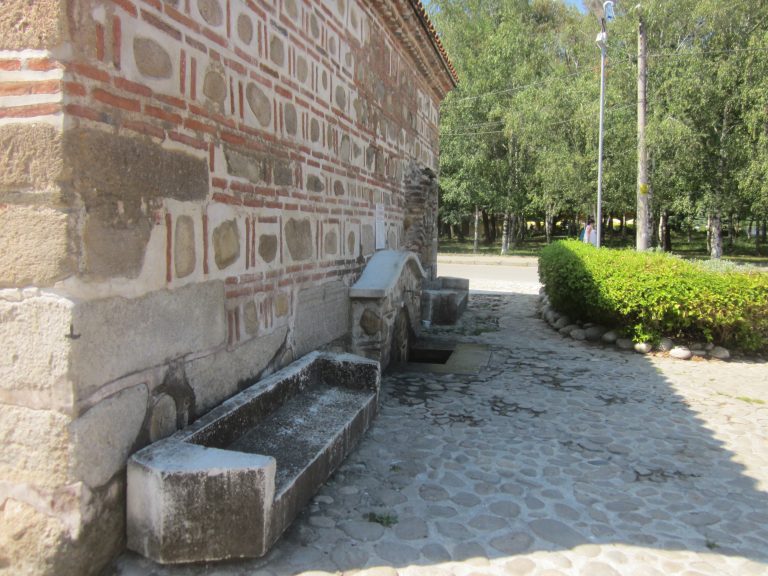
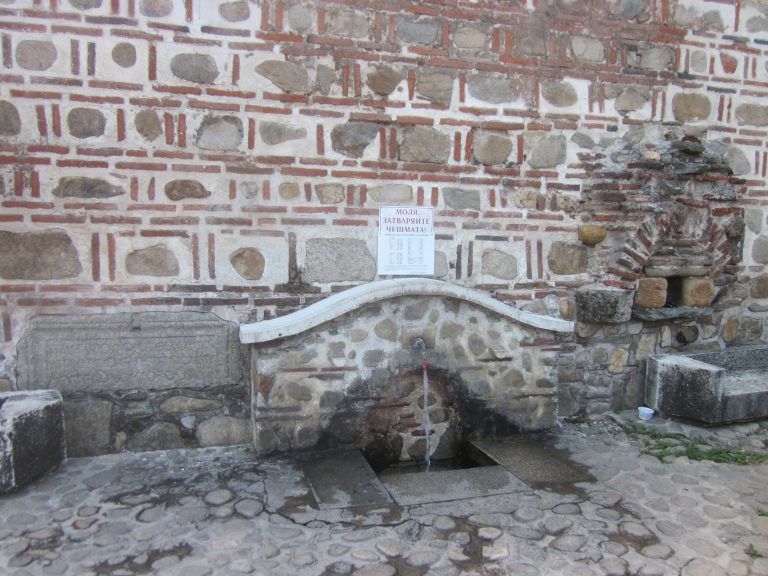
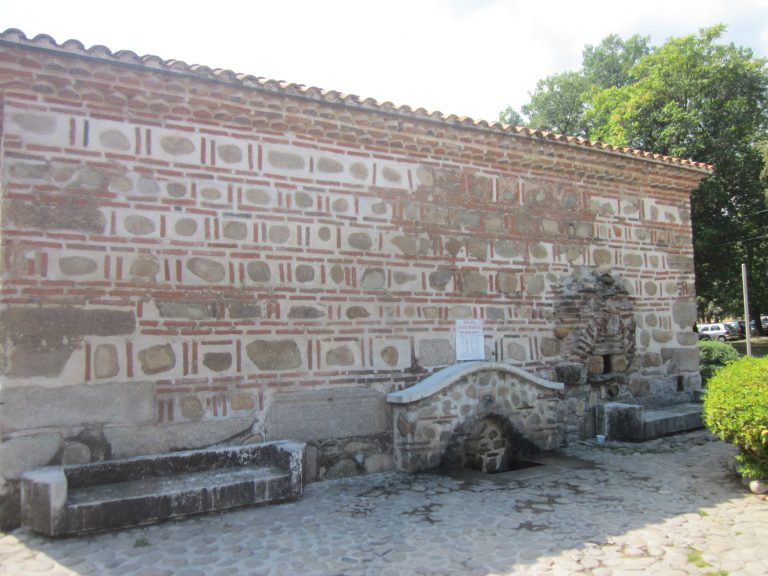
“Dervish Banya was built in 1566. It is part of the architectural ensemble in the centre of the Dervish quarter, together with the Kaya Bey Mosque, the Dervish fountain and the Dervish tekke of the order of wandering Sufi monks. Two brick inscriptions are set into the front wall of the bath, giving the years 1604 and 1835, which probably mark later repairs of the building. The bath is built of rough-cut stone blocks and red bricks; materials from the walls of the medieval fortress were used in its construction. The name of the bath comes from the word ‘dervish’.
The bath worked for more than 400 years – until 1992. In 2005 it was fully restored. Dervish Banya is a cultural monument of local importance and lies within the National Architectural and Archaeological Reserve ‘Pautalia–Velbazhd–Kyustendil’, declared in State Gazette No. 10 of 21 February 1977.
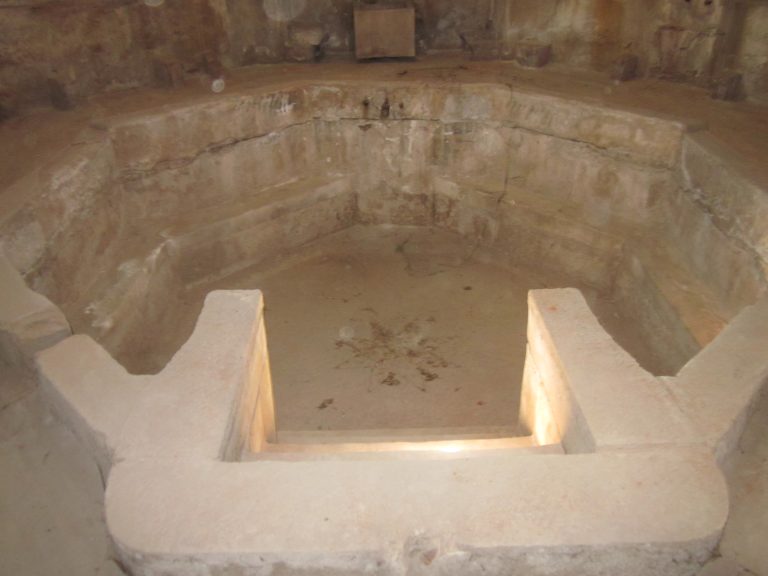
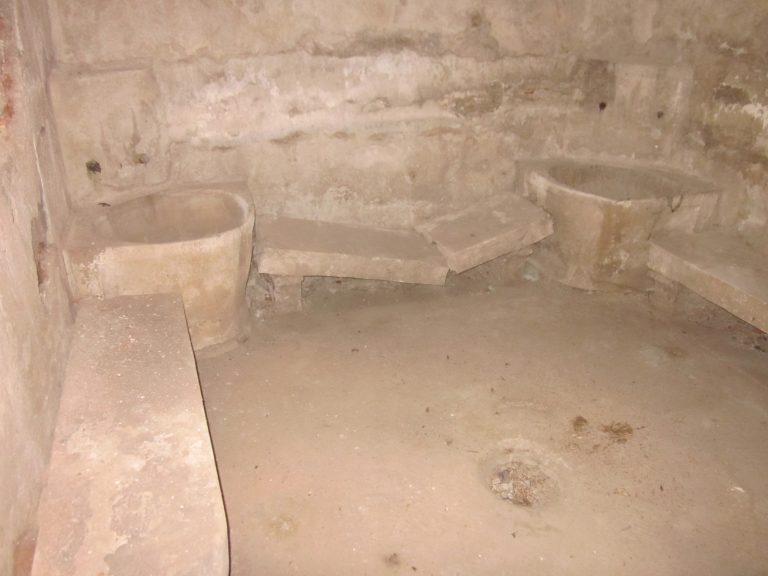
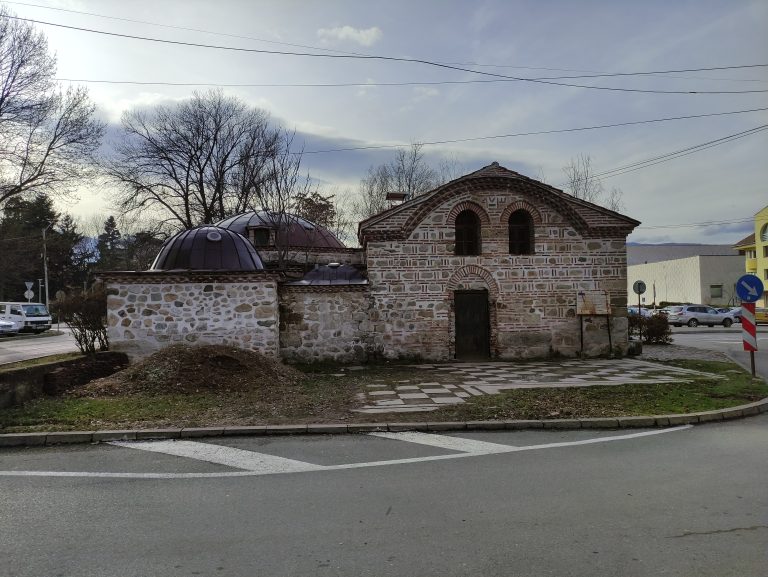
At present Dervish Banya consists of three main rooms: an octagonal bathing room with a pool, covered by a dome; a rectangular room with a barrel vault, very probably pre-existing; and a changing room built considerably later. In the outside appearance of the building one can clearly see where the new part was added to the existing one. It is hard to say for certain what the pre-existing building was used for, but its masonry and architecture set it clearly apart. Where mineral baths use parts of older ancient thermae, their overall form is not uniform: adapting the existing plan to new needs often leads to unusual solutions.
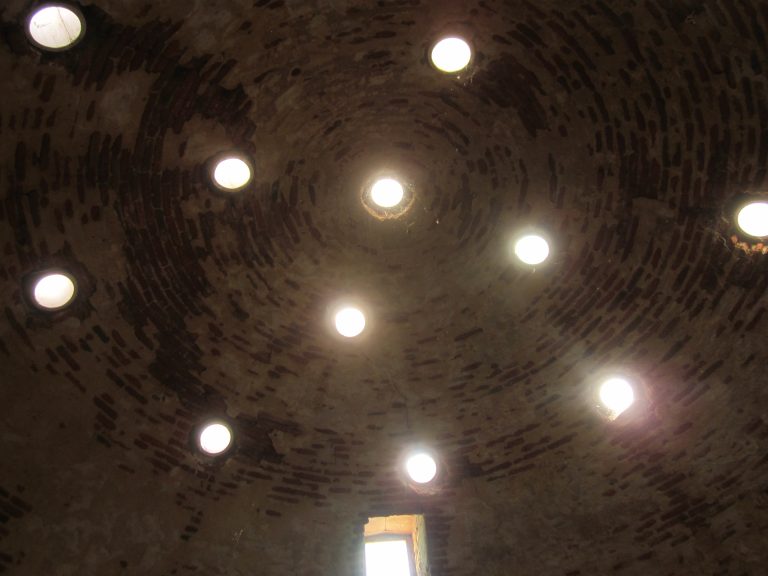
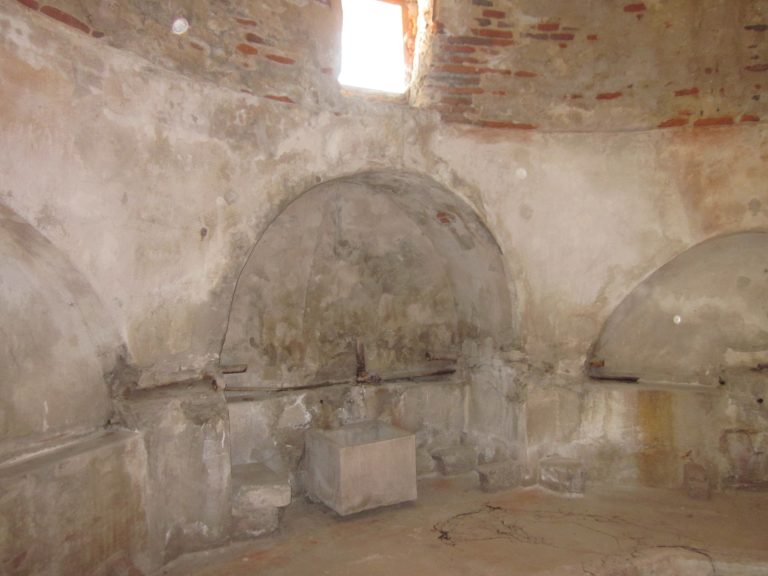
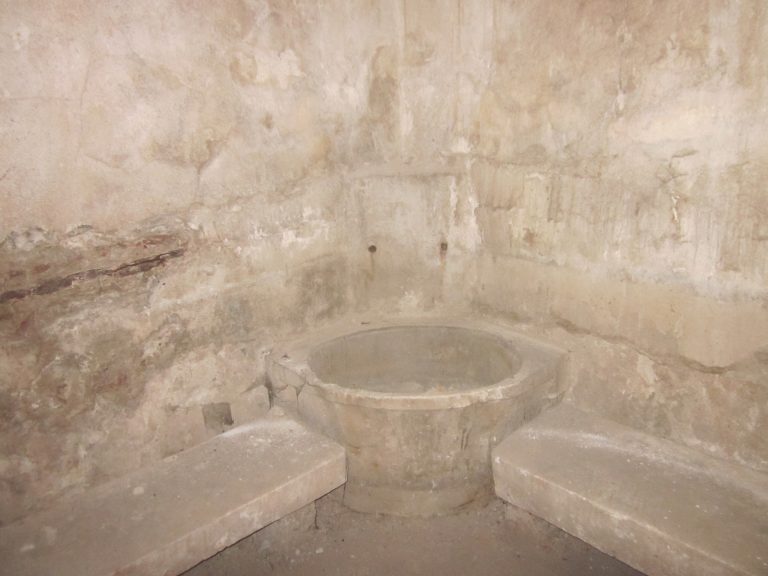
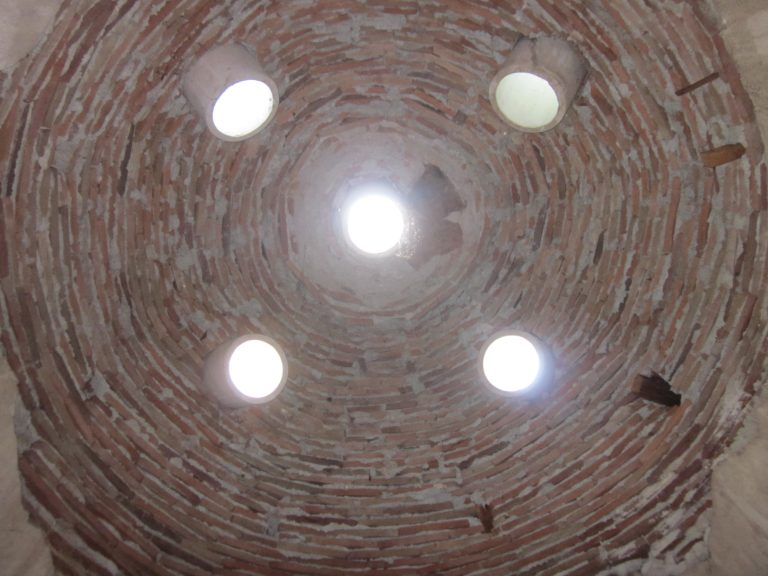
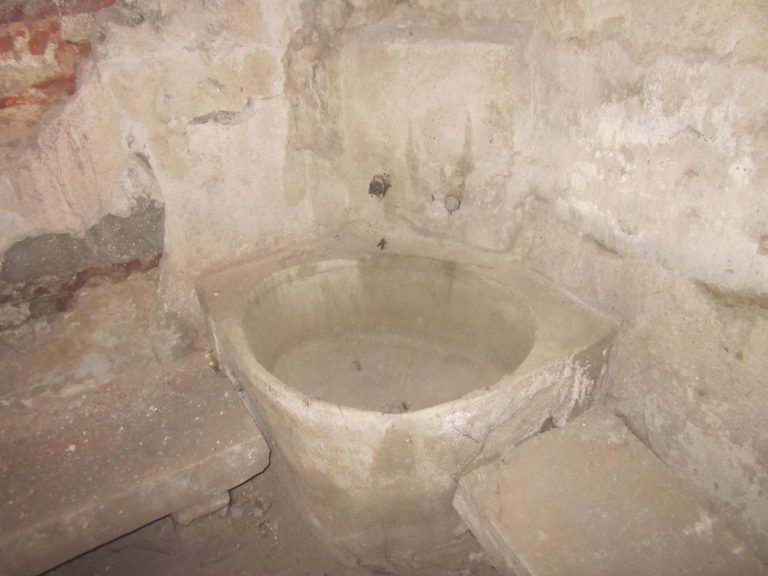
The wrought wooden entrance door on the east side closed by itself with an iron chain and a ‘topuz’ (weight). Through it one entered a rectangular room covered with a massive barrel vault – the changing room, with a platform with straw mattresses for resting and chatting over coffee, fruit preserves and fruit after bathing. Above the passage between the changing room and the bathing hall is a chimney to carry the steam away. The bathing hall and the pool, fed with hot mineral water, are octagonal in plan and clad in marble. Marble fountains – stone basins (kurni) – stood in the corners. Daylight came in through round glazed openings in the dome. To the east are the ‘havle’ – the sweating room, the hottest room of the bath – and the toilet.
In the north wall there is a ritual niche where candles were lit and cockerels were sacrificed – a distant echo of the cult of the ancient god of medicine, Asclepius. The cloisonné masonry, the ‘wolf's tooth’ cornice, the precise pointing, the lead-sheet roofing, the circles of cast glass in the dome over the bathing hall and the sculptural forms of the bath are symbols of an age of destruction and creation, written into the town's memory in 1566 – the beginning of the decline of the Ottoman Empire.”
Source: Technical analysis for granting a service concession for real estate – private municipal property of Kyustendil Municipality: built-up plot with identifier 41112.503.754 under the cadastral map of Kyustendil and building with identifier 41112.503.754.1 under the cadastral map of Kyustendil – “Dervish Banya”.
Photos 16
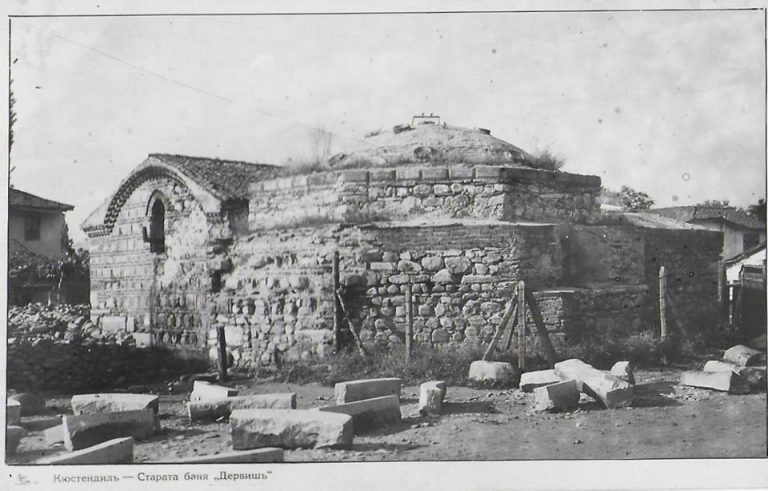
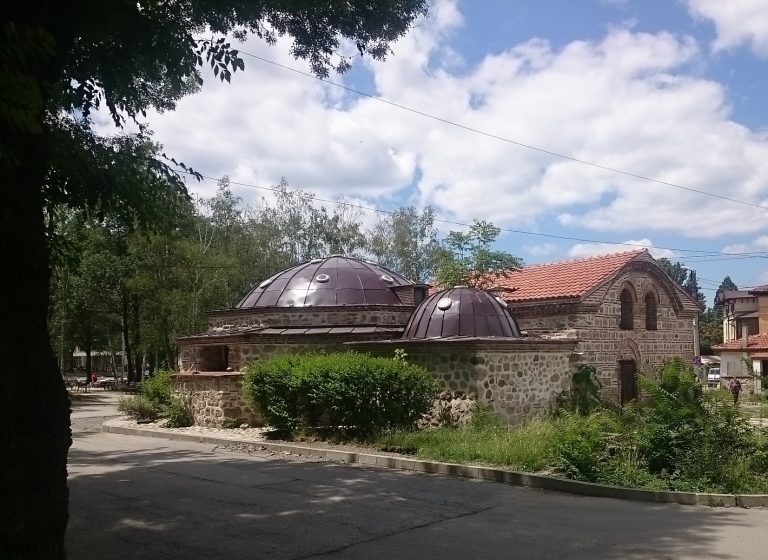
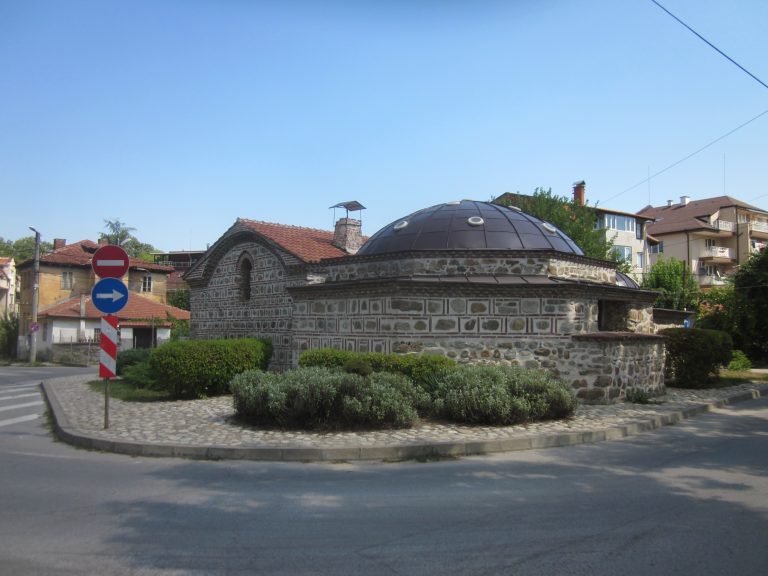
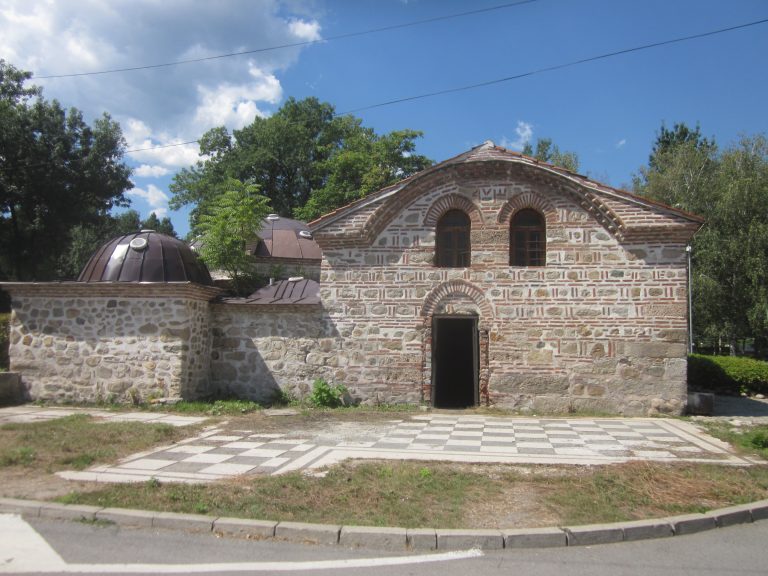
Photos: Bulgarian Association for Thermal Heritage. All rights belong to their authors.
More information
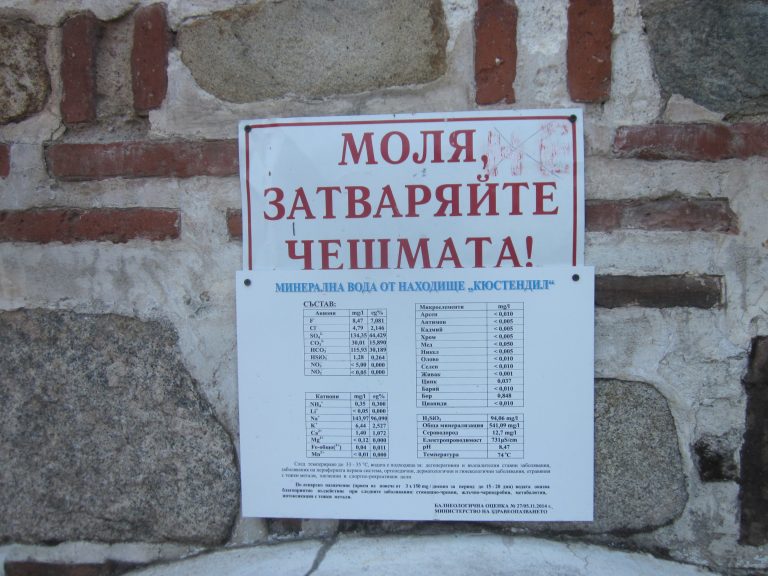
The water and its healing properties
Mineral water deposit “Kyustendil”, Kyustendil, Kyustendil Municipality, Kyustendil Province. Captured natural spring “Star Kaptazh” (Old Captage)
Temperature: 74 °C
Balneological assessment https://www.mh.government.bg/media/filer_public/2019/06/14/27-kyustendil-kei-star_kaptazh-05-11-2014.pdf
The water is suitable for degenerative and inflammatory joint diseases, diseases of the peripheral nervous system, orthopaedic, dermatological and gynaecological conditions, heavy-metal poisoning, and for hygiene, sport and recreation.
- Built
- 1566
- Ownership
- Kyustendil Municipality has filed a claim to establish ownership. Whether the property is exclusive state property or private municipal property is now disputed.
- Thermal Heritage register no.
- 27
- Information updated
- 14.05.2024
The bath's page at the Bulgarian Association for Thermal Heritage ↗