
About the bath
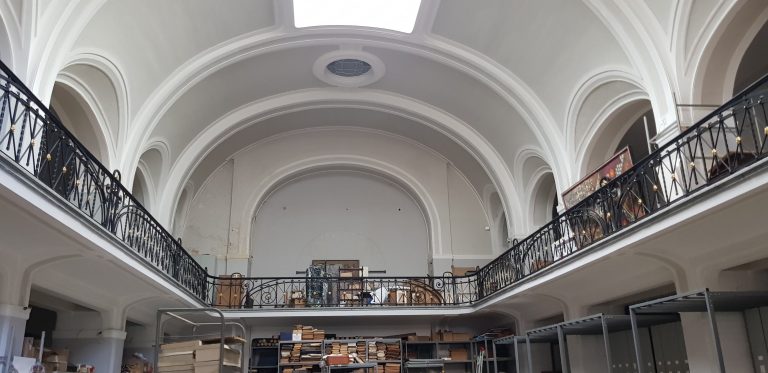
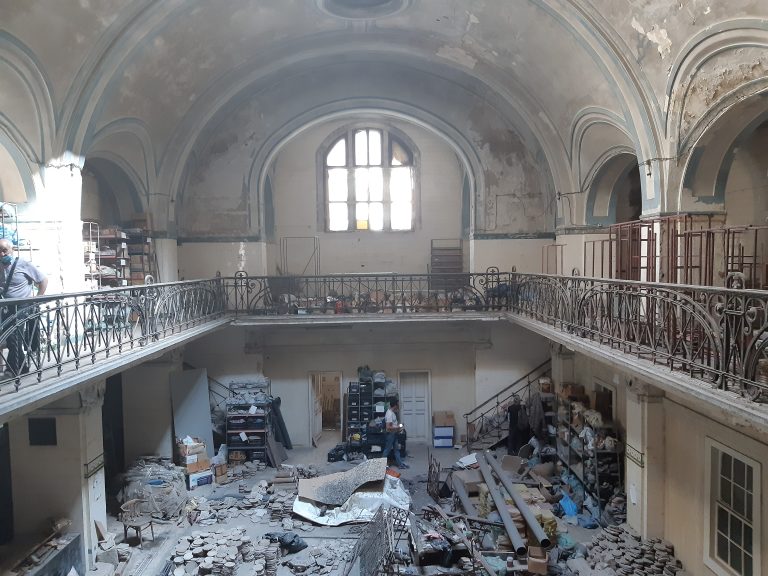
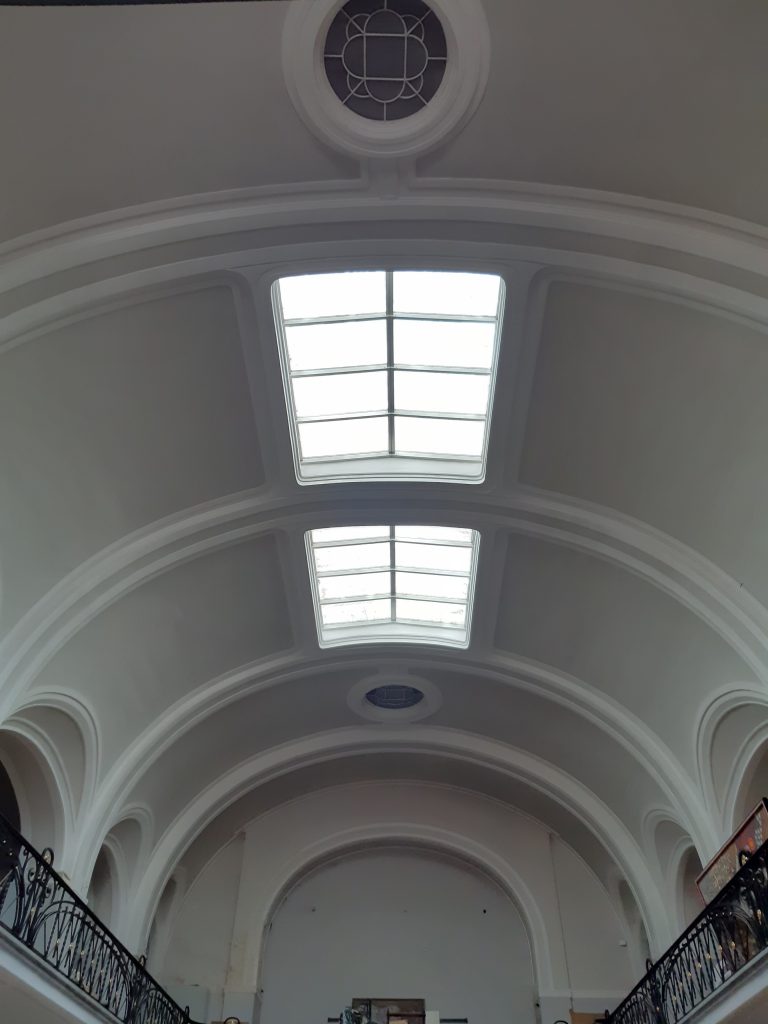
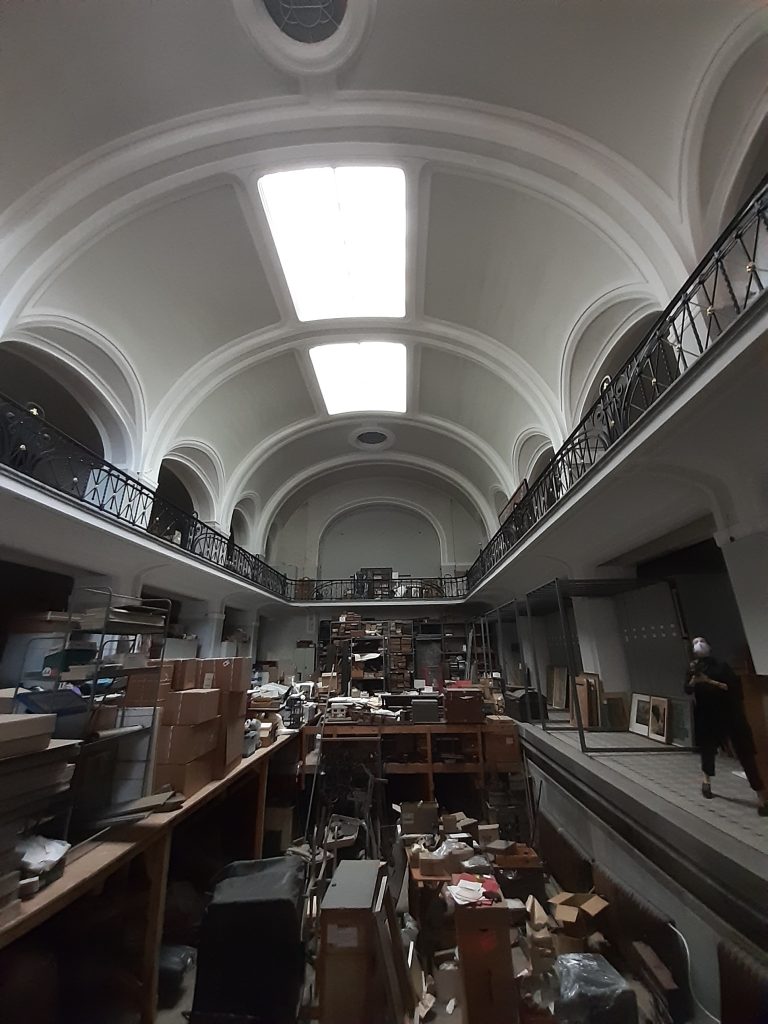
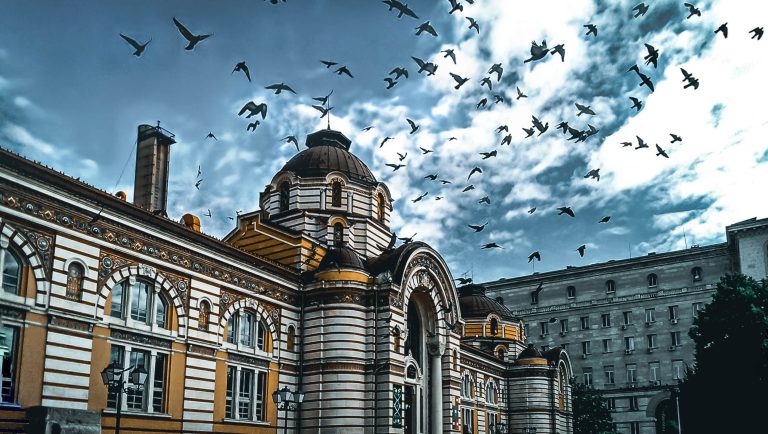
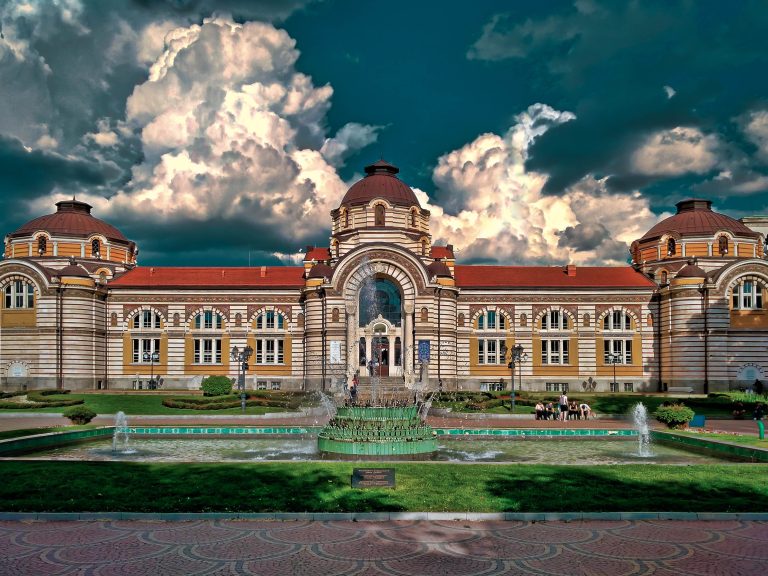
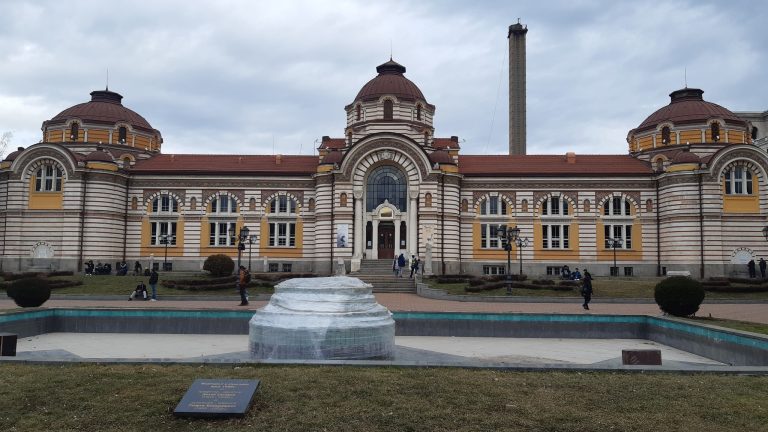
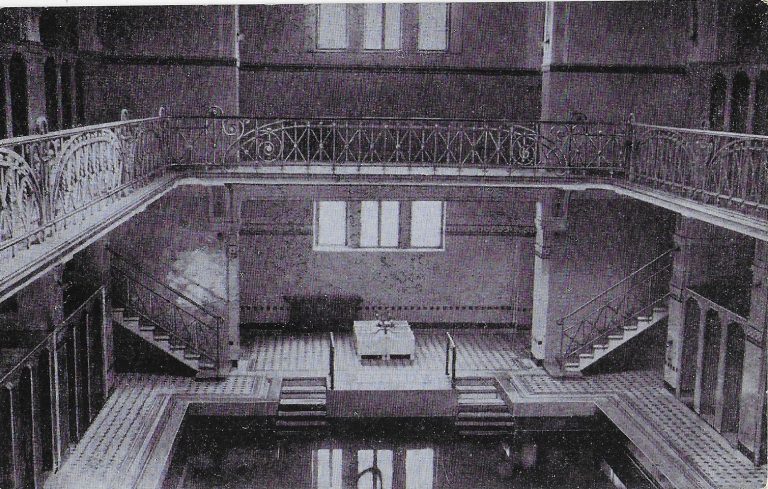
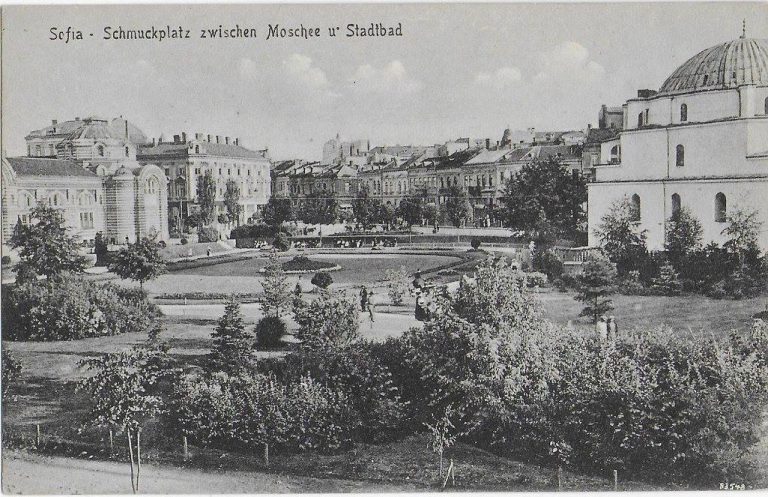
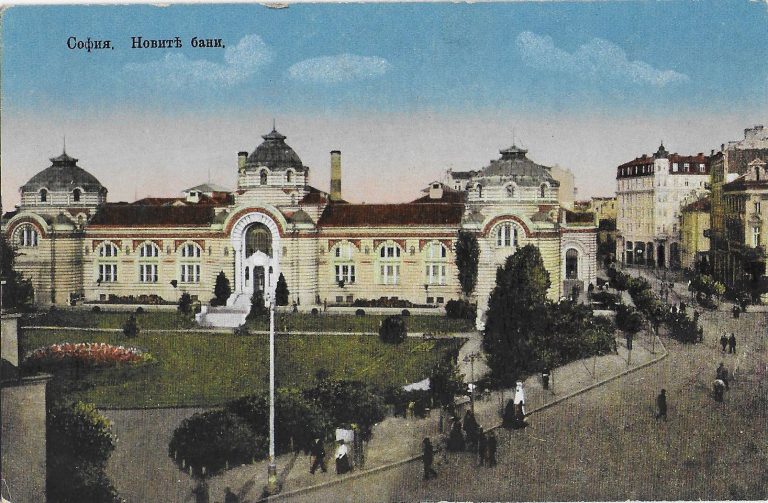
It opened on 13 May 1913 and was one of the most modern in Europe. It has two floors with a total area of 5,000 sq m. It was staffed by specialised medical personnel and numerous support staff, and had halls for hydrotherapy, electrotherapy and mud therapy. The two large swimming pools had water at 23–26 degrees, while the smaller warm pools, at 37 and 46 degrees, were used to treat rheumatism. The mineral water has a flow of 12 litres per second. The Anglo-American bombing of Sofia on 10 January 1944 hit the building hard and completely destroyed the south wing, which was later fully rebuilt. The bath was open from 5 in the morning until 11 at night, with 800–1,000 visitors a day. In 1986 it closed for renovation.
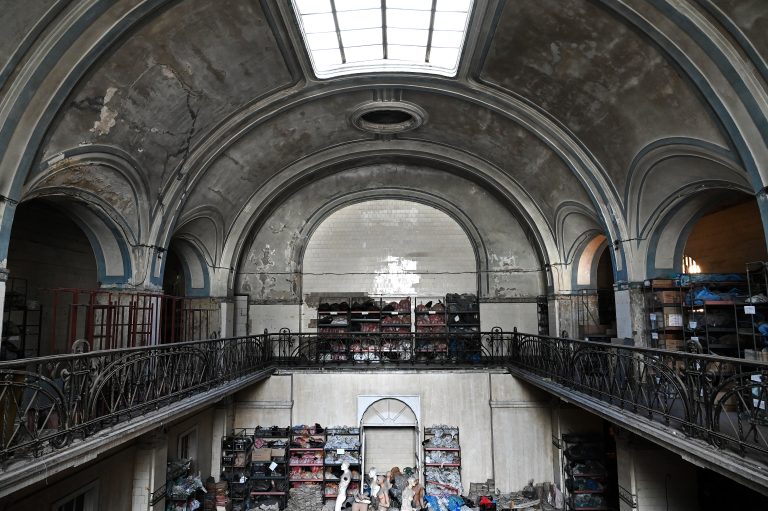
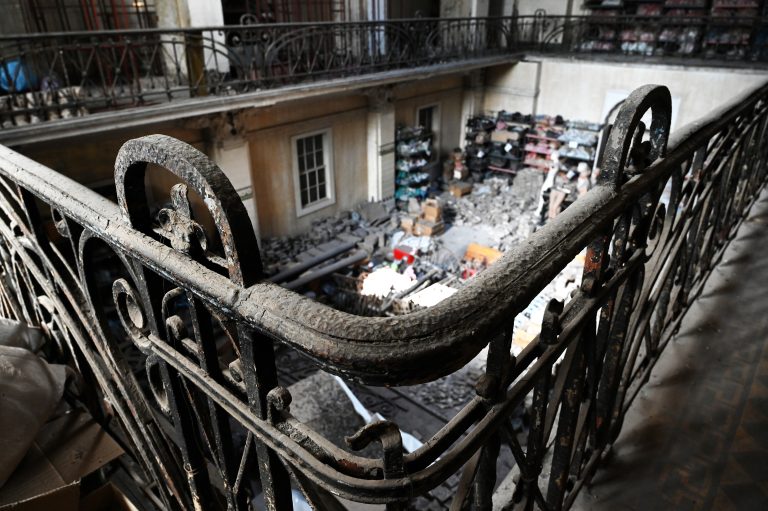
In 2015 the south wing of this palace of water was turned into the Regional History Museum – Sofia, with funds from the European “Regions in Growth” programme. Most of the original floors and wall coverings were destroyed and replaced with plasterboard and laminate, and the details (taps, spouts, handles, locks…) have disappeared. The north wing, intended for the bath, was abandoned. In 2020 the municipal enterprise “Sofiaplan” held an open call for this part of the building, and three teams drew up detailed concepts for its development as a thermal centre. A jury of many experts ranked the proposals, but nothing came of it. The north wing, fenced off, has been falling into ruin for 37 years, and the space around it has become a rubbish dump and an open-air public toilet.
Photos 16
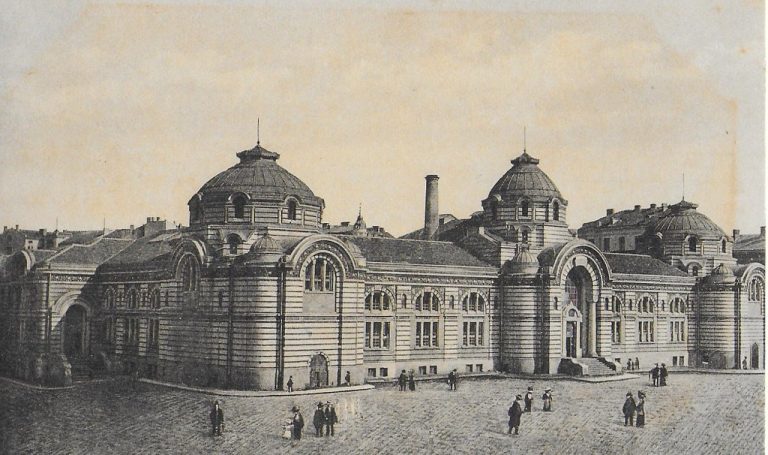
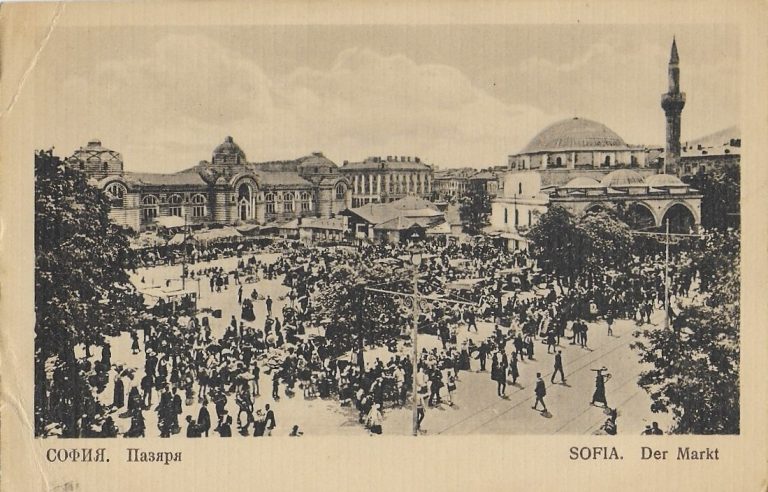
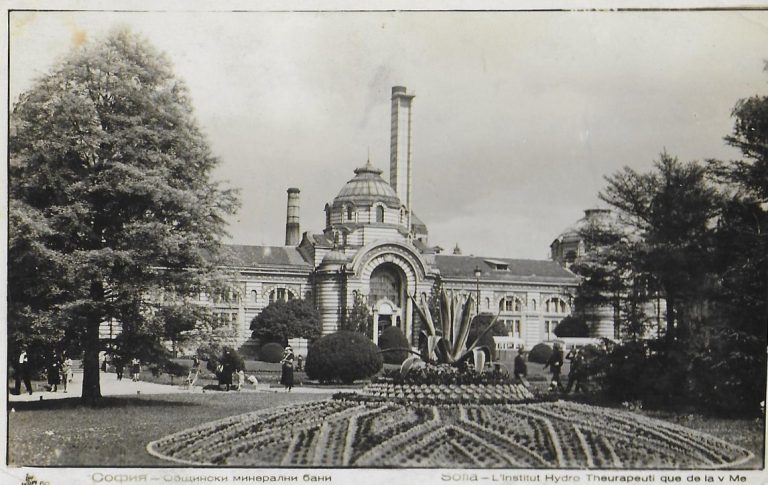
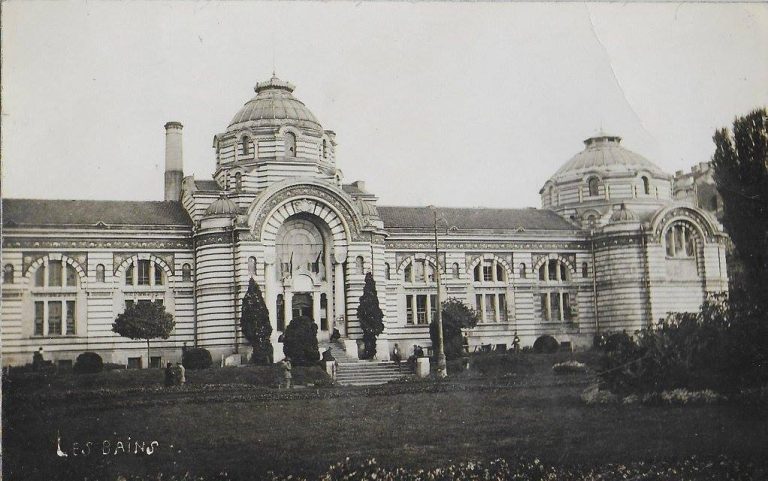
Photos: Bulgarian Association for Thermal Heritage. All rights belong to their authors.
More information
- Built
- 1913
- Architect
- Petko Momchilov and Yordan Milanov, architects / artistic decoration by Haralampi Tachev
- Ownership
- Sofia Municipality, Oborishte district
- Thermal Heritage register no.
- 12
- Information updated
- 17.04.2024
The bath's page at the Bulgarian Association for Thermal Heritage ↗